 Summers in Louisiana bring both heat and humidity—and everyone knows this is an unpleasant combo! No matter how hot it is, a high level of humidity will make the heat feel worse. This is because the moisture in the air makes it harder for the human body to release heat through perspiration. With more heat trapped in the body, people feel even hotter than the air around them.
Since we frequently experience relative humidity above 80% during the summer (which is already 20% above what’s considered comfortable), we have an uphill battle cooling down our homes. Air conditioners must run more often to overcome the effects of both the heat and humidity, and this creates higher energy bills. The extra humidity is also harmful to furnishings in a home and allows mold, mildew, and fungus to start to grow.
But you can trust us to help you out with a whole-house dehumidifying solution.
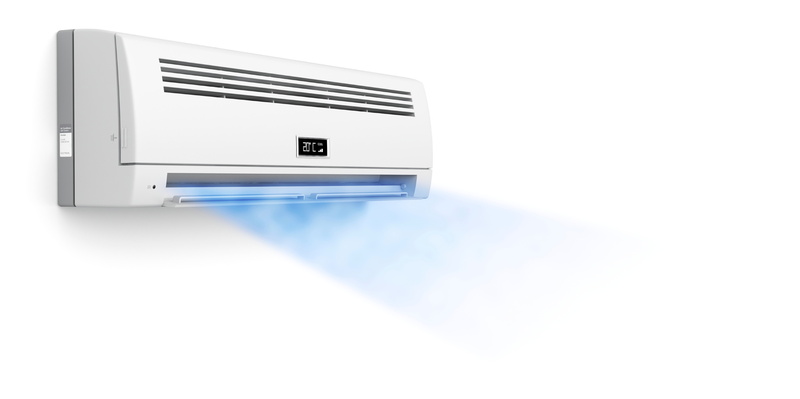
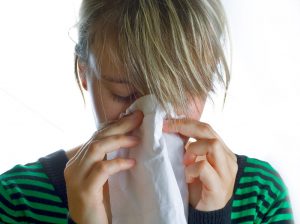 Indoor air quality is a big concern during two specific seasons of the year: winter and summer. Those are the times when outdoor temperatures are at extremes and homes need to be sealed up to help keep them energy efficient. The less heat a home gains in summer and loses in winter, the less energy the HVAC system needs to consume.
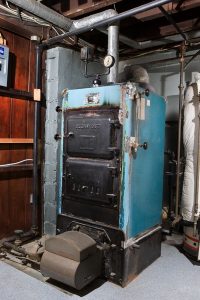 We’ve talked about this topic before, but it was a few years ago—and it’s one of the most important subjects to know about when it comes to home heating. Gas furnaces are the most common type of home heating systems, and cracked heat exchangers in gas furnaces are a major problem and serious potential safety hazard. Understanding the cracked heat exchanger can be a real lifesaver!
 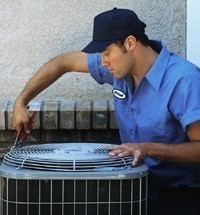 Your air conditioner probably isn’t running right now, and you may not have to turn it back on except on occasional days for the foreseeable future. After all, it’s late autumn now and the official start of winter is less than a month away—this is what we in the HVAC business called the “heating season,” when furnaces and other heaters do the heaviest of their workload for the year.
 The dog days of summer are here. Although this saying is based on Greek and Roman constellations—when the star pattern Sirius the Dog is on the horizon—most of us think of it as a time when dogs are panting on porches next to people trying to fan themselves off. Of course, if you have a working air conditioning system in your home, you won’t need to be fanning yourself on the porch, and your dog will probably not need to pant so much.
 Has this been happening to you? You set your thermostat to turn on your gas furnace (or you have a program that turns it on at a specific time), and it turns on but shuts down only a few minutes later—long before your house has a chance to get warm. As you can guess, this isn’t normal. Your furnace is supposed to remain on long enough to reach the temperature setting on the thermostat and then gradually cycle off. Something is amiss, and you may need to call
 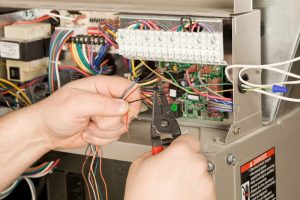 When winter weather arrives, what type of heating system in your home keeps you warm? Furnaces are the most common, and the majority run from natural gas. Not all houses have this option, however, either because they don’t have a connection to a natural gas line or because of concerns over the safety of gas-burning systems. In these cases, an electric furnace is a good alternative. An electric furnace costs more to run (electricity is a more expensive energy than gas), but it also costs less to install. An electric furnace can often outlast a gas model.
 Humidity is often worse than the heat here in Louisiana. The high moisture levels in the air are like having an extra layer of clothing on: the moisture makes it harder for your body to release heat, and that extra heat trapped in your body makes the temperatures around you feel hotter than they are—sometimes as much as 8 to 10°F! The moisture can cause other troubles as well, from simple things like making it harder to dry off towels, to more serious issues like the growth of harmful molds in a home that lead to triggering allergies.
 In a post we wrote at the beginning of the year, we talked about