 Can you survive the summer without air conditioning? No, we’re not joking, there are serious health benefits for those who invest in an AC installation in Shreveport, LA. Everyone likes to consider summertime air conditioning a luxury, but when you have a business or family, comfort can be a priority. We always like to tell ourselves that being a little uncomfortable in the summertime really isn’t that bad if it saves us money … right?
On the contrary, being uncomfortable due to heat means an increased heart rate, higher blood pressure, and a plethora of other potential health-related issues. Do you talk about your food or your car the same way that you talk about air conditioning? Just like ingesting rotten food could lead to illness, or driving a broken-down car could lead an accident, having no air conditioning could be detrimental to your quality of life.
 Air conditioning systems don’t have a long history in homes. Not as long as electricity and indoor plumbing, for example. Central air conditioning installations only became common in the 1970s. Since ACs started spreading, homeowners have wondered if these cooling devices might cause indoor health complications.
 We don’t really have a nice, dry heat here in Lousiana. Our summer season isn’t just hot. It’s sticky and it’s muggy. That level of humidity can cause some problems on top of discomfort. Remember, your air conditioner has a dehumidifying effect in your home. As refrigerant evaporates to cool the air in your house, it draws moisture out of the air. That moisture collects on the coil before dripping off into the condensate drain.
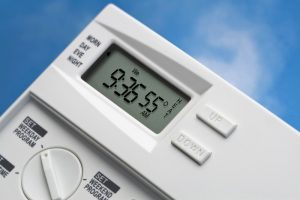 The thermostat is a small but essential appliance in your home. It’s easy to overlook, but think about the job it does: it controls the comfort levels in your house and the fans circulating the air. (If you have a humidistat as part of the thermostat, it also controls humidity levels.) Unfortunately, people often have misunderstandings about thermostats, and this can end up raising their comfort costs.
 Summers in Louisiana bring both heat and humidity—and everyone knows this is an unpleasant combo! No matter how hot it is, a high level of humidity will make the heat feel worse. This is because the moisture in the air makes it harder for the human body to release heat through perspiration. With more heat trapped in the body, people feel even hotter than the air around them.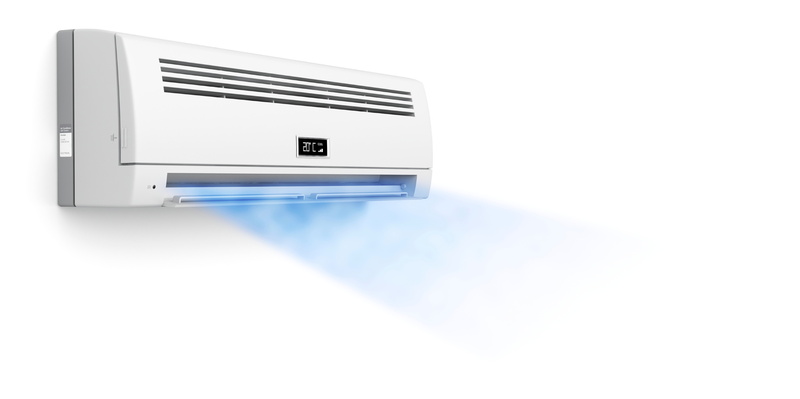
 When the last cold days of winter and early spring are in your rear-view mirror you probably won’t need to turn your furnace back on until fall comes again. In fact, we recommend you do either a partial or full shutdown of your furnace system once the weather forecast shows nothing but warm days for a long stretch to come. This is an easy way to lower your energy bills.
  Spring is often a time of weird weather shifts, but the trend is toward warmer weather until the true summer heat settles in. You’ll use your home heating system less and less through April and May until it shuts off for a few months.
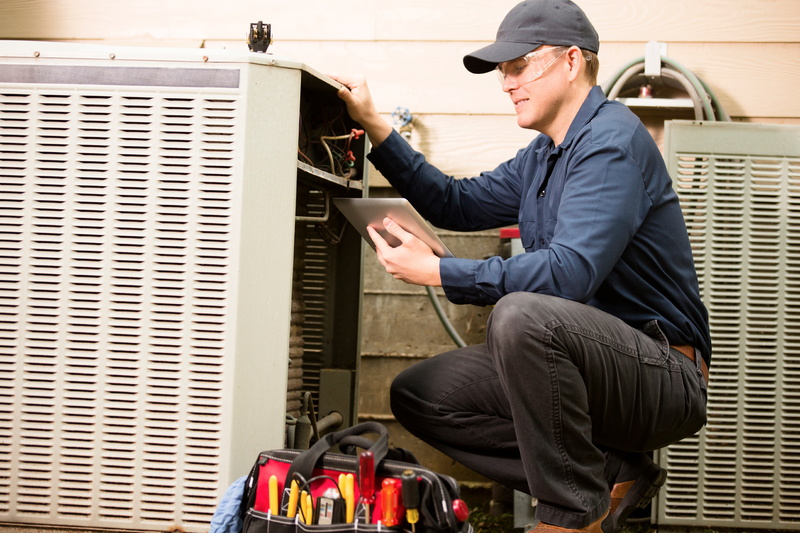
 When the cold weather winds down as spring advances, you’ll want to put the winter far behind you and consider your summer plans. The air conditioner in your house will soon switch to regular operation, so this is the ideal time to schedule its annual maintenance appointment.