
Furnaces don’t last forever. That being said, they last a pretty long time and often by the time our team is called, they’ve long passed the point of no return. While we wish there were easy clues to an aging furnace for homeowners in our area that don’t know much about them, it’s a little bit more complicated than that. Every aging furnace shows their age in a different way, and we’d like to provide a list of some common problems that signal your system is getting too old.
While heating repair in Shreveport, LA might be a great solution to this problem, it might not be the best solution. As furnaces get older, repairs get more expensive, parts get harder to find, and the system itself becomes more prone to repairs. While repairs could be cheap at the moment, a whole system replacement might be a more effective and efficient solution that will save you a lot more money in the long run.

 That’s a tongue twister! After you’ve said that five times fast, listen up!
 You’ve probably heard us talk about heater maintenance quite a lot in this blog, but you might not have been told what heater maintenance actually does. A technician doesn’t just come to shine a flashlight on your system and tell you that “It’s all good.” There is a thorough checklist involved, just like how a doctor gives you a thorough check-up every year!
 When the last cold days of winter and early spring are in your rear-view mirror you probably won’t need to turn your furnace back on until fall comes again. In fact, we recommend you do either a partial or full shutdown of your furnace system once the weather forecast shows nothing but warm days for a long stretch to come. This is an easy way to lower your energy bills.
  Spring is often a time of weird weather shifts, but the trend is toward warmer weather until the true summer heat settles in. You’ll use your home heating system less and less through April and May until it shuts off for a few months.
 When the cold weather winds down as spring advances, you’ll want to put the winter far behind you and consider your summer plans. The air conditioner in your house will soon switch to regular operation, so this is the ideal time to schedule its annual maintenance appointment.
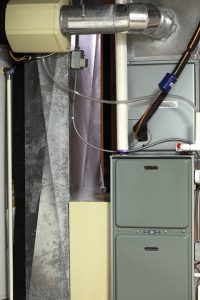 As the winter winds down and the official start of spring arrives (i.e. this week), you’ll probably not give much thought to your furnace. The weather is going to warm up gradually on the climb toward the summer heat.
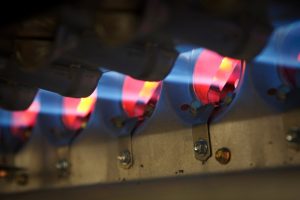 A furnace generates heat, either using gas burners or electrical heating elements, to warm up the air, then uses a blower to send the heated air into the ductwork of a home. As with any heat-generating appliance, there’s some potential for a fire hazard, although this is rare for modern furnaces. However, if you ever notice an acrid burning odor coming from the vents when your home’s furnace is running, it can be alarming.
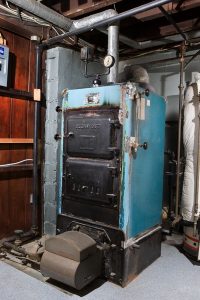 We’ve talked about this topic before, but it was a few years ago—and it’s one of the most important subjects to know about when it comes to home heating. Gas furnaces are the most common type of home heating systems, and cracked heat exchangers in gas furnaces are a major problem and serious potential safety hazard. Understanding the cracked heat exchanger can be a real lifesaver!